Why AV Control Systems Matter More Than Most People Realize
A professional AV system can include displays, microphones, speakers, cameras, lighting, video conferencing equipment, and other technology working together. But if using that system requires several remotes, complicated menus, or a call to IT every time someone wants to start a meeting, the installation is not doing its job.
That is where AV control systems become so important.
A well-designed control system brings multiple pieces of technology together behind one simple interface. For the person using the room, the experience might be as straightforward as tapping “Start Meeting” on a touchscreen. Behind that button, several devices may be powering on, switching inputs, adjusting audio, activating cameras, and preparing the room for use.
The complexity still exists. The user simply does not have to manage it.
AV Control Systems Simplify Complex Technology
Modern AV environments often contain more equipment than users realize.
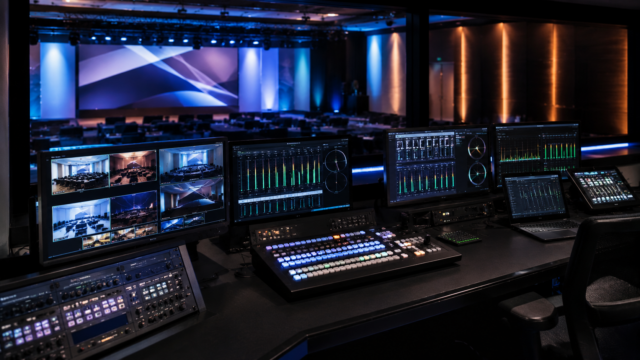
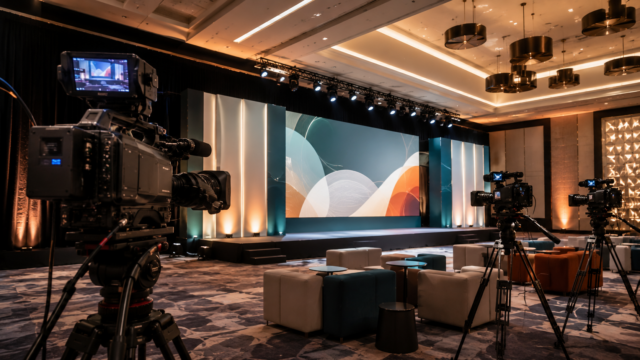
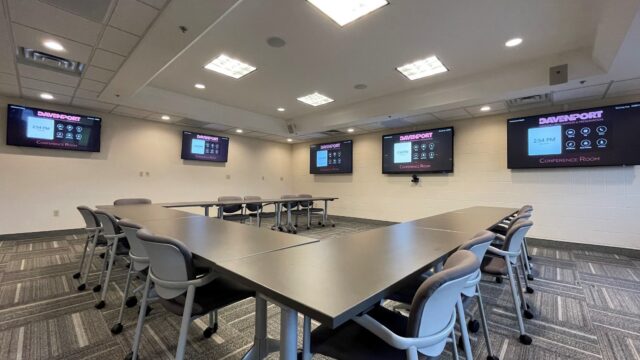
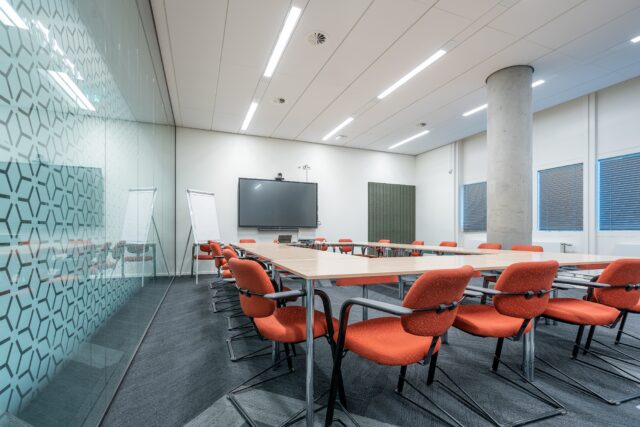
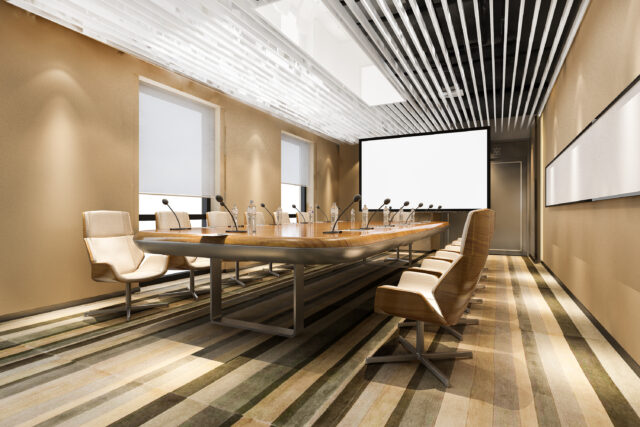
A conference room might include multiple displays, microphones, speakers, cameras, video conferencing hardware, presentation inputs, and room scheduling technology. An auditorium or house of worship may include an even larger combination of audio, video, lighting, and presentation systems.
Without centralized control, operating that technology can quickly become confusing.
Professional AV control systems allow those devices to communicate through a unified interface. Instead of learning how each individual component works, the user interacts with a system designed around what they actually need to accomplish.
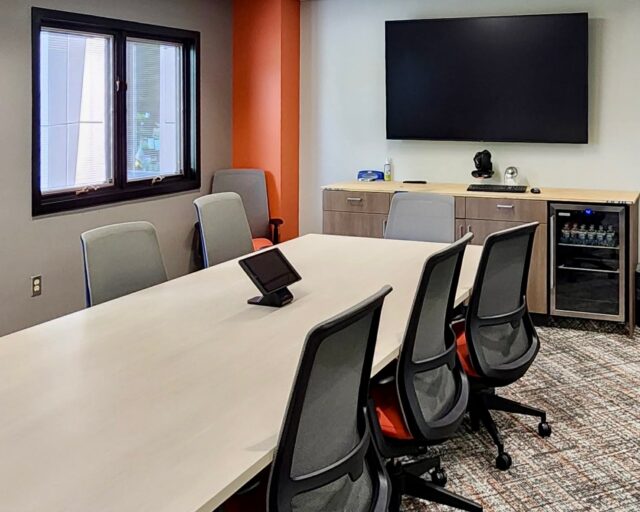
For example, the options on a conference room touchscreen might simply include:
- Start a video call
- Present from a laptop
- Adjust the volume
- Change the camera view
- End the meeting
The technology behind those functions may be complicated, but using it should not be.
The User Interface Can Make or Break an Installation
The quality of an AV installation is not determined only by the equipment behind the walls or inside the rack.
The user interface matters just as much.
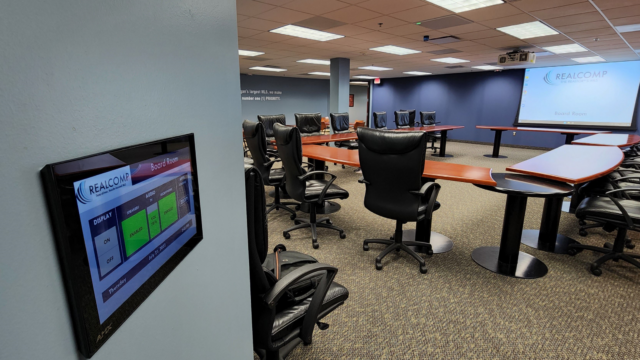
If buttons are difficult to understand, frequently used functions are buried in menus, or the system behaves differently from room to room, users can quickly lose confidence in the technology.
A strong AV user interface should feel intuitive even for someone who has never used the room before.
That means thinking carefully about button placement, terminology, screen layout, commonly used functions, and how much control each user actually needs. Giving someone access to every possible setting may sound useful, but it can make everyday operation unnecessarily complicated.
Good AV system design focuses on simplicity at the point of use.
Control Systems Help Create Consistency Across Spaces
For organizations with multiple meeting rooms, classrooms, auditoriums, or collaboration spaces, consistency can be especially valuable.
If one conference room operates completely differently from the room down the hall, employees have to relearn the technology every time they change locations.
Through thoughtful AV system integration, control interfaces can be designed with similar layouts and workflows across multiple spaces. Individual rooms may have different equipment or capabilities, but the overall experience can still feel familiar.
That consistency can reduce training requirements, make meetings easier to start, and help users become more comfortable with the technology.
Automation Can Make Everyday Tasks Easier
Control systems can also automate functions that would otherwise require multiple steps.
Starting a presentation could simultaneously power on the display, select the correct input, adjust audio levels, and configure the room for presentation mode. Ending a meeting could shut down equipment and return the room to its default settings.
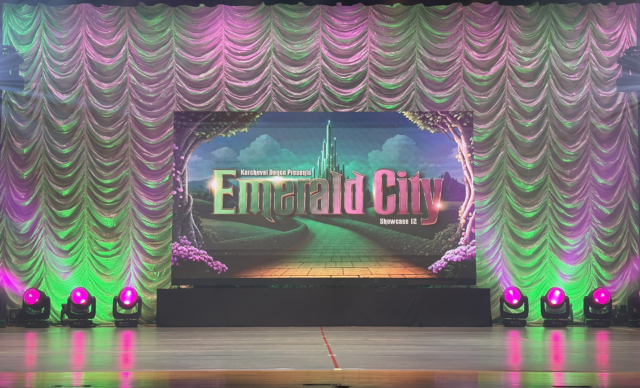
In larger spaces, programmed presets can simplify more complex configurations. An auditorium, for example, might have different settings for presentations, panel discussions, video playback, or other common uses.
Good Control Starts With Good System Design
A control system should not be treated as an accessory added at the end of an installation.
It needs to be considered during the AV design process because the interface ultimately determines how people interact with the entire system.
At Mercury Sound & Lighting, control programming and user experience are considered alongside equipment selection, system functionality, room requirements, and the people who will use the technology every day. The goal is to create an environment where sophisticated AV capabilities remain accessible without making the user responsible for understanding every technical detail behind them.
The Best Technology Should Feel Easy to Use
Most people using a conference room, auditorium, classroom, or presentation space do not want to think about the AV system itself. They want to start the meeting, share content, hear clearly, and move on with their day.
That is why AV control systems matter more than many people realize. They turn a collection of individual technologies into one usable system.
When the control experience is designed correctly, the complexity stays behind the scenes and the technology simply works the way the user expects it to.
Planning an AV installation or upgrading a space that has become difficult to operate? Start Your Project with Mercury Sound & Lighting to explore a control system designed around how your team actually uses the room.
Follow our Instagram and Facebook to stay up to date on all things Mercury!